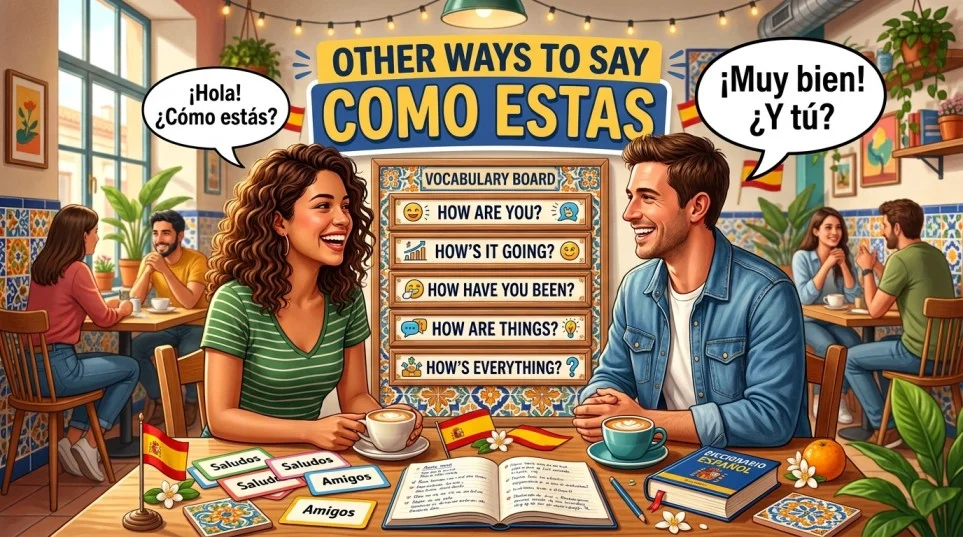
Quick Answer:
The best alternatives to ¿Cómo estás? include ¿Qué tal?, ¿Cómo te va?, ¿Cómo andas?, ¿Cómo te encuentras?, and ¿Qué hay de nuevo?. These Spanish expressions help you greet people naturally, start conversations, and choose the right level of formality in everyday and professional situations.
Learning other ways to say ¿Cómo estás? can make your Spanish conversations sound more natural, friendly, and confident. Although this question is commonly used to ask someone how they are doing, repeating the same greeting can sometimes make conversations feel predictable. Spanish offers many alternatives that reflect different relationships, situations, and levels of formality.
Whether you are greeting a friend, speaking with a colleague, meeting someone for the first time, or communicating with a Spanish speaker professionally, choosing the right expression matters. Some greetings are casual and conversational, while others sound respectful and polished. Understanding these differences helps English learners develop better communication skills, improve fluency, and build meaningful connections with Spanish speakers. In this guide, you will discover 30 useful alternatives, their meanings, pronunciation-friendly examples, and practical situations where each expression works best.
Quick Categories
Formal alternatives to “¿Cómo estás?”
- ¿Cómo se encuentra?
- ¿Cómo está usted?
- ¿Cómo le va?
- ¿Cómo se siente?
Pro Tip: Use formal greetings when speaking with clients, senior colleagues, unfamiliar people, or anyone you want to address respectfully.
Casual alternatives
- ¿Qué tal?
- ¿Cómo te va?
- ¿Cómo andas?
- ¿Qué hay de nuevo?
Pro Tip: These expressions work naturally with friends, classmates, and people you already know. Match your greeting to the relationship.
Professional alternatives
- ¿Cómo le ha ido?
- ¿Cómo van las cosas?
- ¿Cómo está todo?
- ¿Cómo se encuentra hoy?
Pro Tip: Professional Spanish greetings should sound warm without becoming overly familiar. Use usted when the situation calls for formality.
Informal expressions
- ¿Qué pasa?
- ¿Qué cuentas?
- ¿Cómo va todo?
- ¿Qué onda?
Pro Tip: Informal expressions in Spanish vary by region. Some phrases are more common in Mexico, Spain, or other Spanish-speaking countries.
“A natural Spanish greeting does more than ask a question. It creates an opportunity to connect.”
Common Mistakes When Using “¿Cómo Estás?”
1. Using tú and usted incorrectly
Mistake: ¿Cómo estás, señor?
Better: ¿Cómo está, señor?
Why: Usted requires the third-person singular verb form, while tú uses the second-person singular form.
2. Forgetting the opening question mark
Mistake: Como estas?
Correct: ¿Cómo estás?
Why: Spanish questions use both an opening and a closing question mark. The accent marks are also important.
3. Using informal greetings in every professional situation
Mistake: ¿Qué onda, señor director?
Better: ¿Cómo está usted, señor director?
Why: Some informal greetings may sound too familiar when addressing someone professionally.
4. Assuming every greeting asks about someone’s health
Mistake: Using ¿Qué hay de nuevo? when you specifically want to ask about someone’s well-being.
Better: ¿Cómo te encuentras?
Why: Some expressions ask about recent events rather than someone’s physical or emotional condition.
5. Translating English greetings word for word
Mistake: ¿Cómo eres? to mean “How are you?”
Correct: ¿Cómo estás?
Why: ¿Cómo eres? generally asks about someone’s personality or characteristics, not their current condition.
What Does “¿Cómo Estás?” Mean?
¿Cómo estás? is a common Spanish greeting that means “How are you?” or “How are you doing?”
It is generally used when addressing someone informally with tú. The verb estás comes from estar, which describes a temporary state or condition.
The formal equivalent is ¿Cómo está usted?
Example: ¿Cómo estás hoy, María? (How are you today, Maria?)
When to Use “¿Cómo Estás?”
You can use this Spanish expression in several everyday situations:
- Greeting friends: When meeting someone you know personally.
- Starting conversations: To begin a friendly discussion.
- Checking on someone: When you want to know how a person is feeling.
- Meeting acquaintances: When greeting someone in a familiar environment.
- Social communication: In text messages, phone calls, and face-to-face conversations.
Spoken vs. Written: The expression works naturally in both spoken and written Spanish.
Formal vs. Informal: Use ¿Cómo estás? with tú. Use ¿Cómo está usted? when addressing someone formally.
Is It Professional or Polite to Say “¿Cómo Estás?”
Polite? Yes
Professional? Yes, depending on the relationship and situation.
¿Como estás? is a polite everyday greeting, but it uses informal language. In professional environments, ¿Cómo está usted? or ¿Cómo le va? may be more appropriate when speaking with someone you do not know well.
Business-style example: “Buenos días, señor García. ¿Cómo está usted hoy?”
The key is to understand the difference between friendliness and formality in Spanish communication.
Pros and Cons of Using “¿Cómo Estás?”
Pros
- Simple and natural: Easy to learn and remember.
- Friendly tone: Creates a welcoming atmosphere.
- Common usage: Widely understood across Spanish-speaking communities.
- Easy to understand: Communicates a clear greeting.
Cons
- Too informal for some workplaces: It uses tú rather than usted.
- Overused: Repeating the same greeting can make conversations predictable.
- Limited emotional range: It does not always communicate deeper interest.
- Not suitable for every relationship: Formal situations may require a different expression.
“Choosing between tú and usted is an important part of sounding natural and respectful in Spanish.”
Other Ways to Say ¿Cómo Estás? (With Examples)
These alternatives will help you sound more fluent, confident, and natural in different Spanish-speaking situations.
Use them according to tone, context, and audience to greet people respectfully, start conversations, and build stronger connections.
1. Phrase: ¿Qué Tal?
Meaning: How are things?
Explanation: This is a short, versatile Spanish greeting used in casual and everyday conversations.
Example Sentence: “¡Hola, Carlos! ¿Qué tal?”
Best Use: Casual greetings
Worst Use: Formal interviews
Tone: Friendly, relaxed, natural
Context Variability: Casual: “¿Qué tal, amigo?” Professional: “Buenos días, ¿qué tal está todo?” Spoken: “¡Hola! ¿Qué tal?”
2. Phrase: ¿Cómo Te Va?
Meaning: How are things going for you?
Explanation: This expression asks about someone’s general situation and is commonly used with friends and acquaintances.
Example Sentence: “Hola, Ana. ¿Cómo te va en tu nuevo trabajo?”
Best Use: Friendly conversations
Worst Use: Formal introductions
Tone: Warm, conversational, friendly
Context Variability: Casual: “¿Cómo te va?” Professional: “¿Cómo le va en su nuevo puesto?” Spoken: “Oye, ¿cómo te va?”
3. Phrase: ¿Cómo Andas?
Meaning: How are you doing?
Explanation: This informal expression is frequently used in everyday Spanish, especially in casual conversations.
Example Sentence: “¡Cuánto tiempo! ¿Cómo andas?”
Best Use: Friendly greetings
Worst Use: Formal meetings
Tone: Relaxed, familiar, informal
Context Variability: Casual: “¿Cómo andas, amigo?” Professional: “¿Cómo se encuentra?” Spoken: “Hola, ¿cómo andas?”
4. Phrase: ¿Cómo Se Encuentra?
Meaning: How are you feeling?
Explanation: This is a respectful expression used when asking about someone’s condition or well-being.
Example Sentence: “Buenos días, señora López. ¿Cómo se encuentra?”
Best Use: Formal conversations
Worst Use: Close friendships
Tone: Respectful, formal, polite
Context Variability: Casual: “¿Cómo estás?” Professional: “¿Cómo se encuentra hoy?” Spoken: “Disculpe, ¿cómo se encuentra?”
5. Phrase: ¿Cómo Está Usted?
Meaning: How are you?
Explanation: This is the formal version of ¿Cómo estás? and is suitable when addressing someone respectfully.
Example Sentence: “Mucho gusto, señor Martínez. ¿Cómo está usted?”
Best Use: Professional greetings
Worst Use: Close friendships
Tone: Formal, respectful, courteous
Context Variability: Casual: “¿Cómo estás?” Professional: “¿Cómo está usted?” Spoken: “Buenos días, ¿cómo está usted?”
6. Phrase: ¿Cómo Le Va?
Meaning: How are things going for you?
Explanation: This polite expression is useful when greeting someone in a professional or respectful environment.
Example Sentence: “Buenos días, doctor. ¿Cómo le va?”
Best Use: Professional conversations
Worst Use: Very casual texting
Tone: Polite, professional, warm
Context Variability: Casual: “¿Cómo te va?” Professional: “¿Cómo le va con el proyecto?” Spoken: “Hola, ¿cómo le va?”
7. Phrase: ¿Qué Hay de Nuevo?
Meaning: What’s new?
Explanation: This expression asks about recent events, updates, or changes in someone’s life.
Example Sentence: “¡Hola, Laura! ¿Qué hay de nuevo?”
Best Use: Catching up
Worst Use: Health inquiries
Tone: Curious, casual, friendly
Context Variability: Casual: “¿Qué hay de nuevo?” Professional: “¿Hay alguna novedad sobre el proyecto?” Spoken: “Cuéntame, ¿qué hay de nuevo?”
8. Phrase: ¿Cómo Va Todo?
Meaning: How is everything going?
Explanation: This is a natural greeting that asks about someone’s overall circumstances.
Example Sentence: “Hola, Pedro. ¿Cómo va todo en casa?”
Best Use: Everyday conversations
Worst Use: Formal presentations
Tone: Friendly, conversational, relaxed
Context Variability: Casual: “¿Cómo va todo?” Professional: “¿Cómo va todo con el equipo?” Spoken: “Hola, ¿cómo va todo?”
9. Phrase: ¿Qué Pasa?
Meaning: What’s happening?
Explanation: This informal expression can be used as a greeting among friends, depending on the regional context.
Example Sentence: “¡Hola, Miguel! ¿Qué pasa?”
Best Use: Informal greetings
Worst Use: Formal introductions
Tone: Casual, energetic, familiar
Context Variability: Casual: “¿Qué pasa, amigo?” Professional: “¿Cómo está todo?” Spoken: “¡Eh! ¿Qué pasa?”
10. Phrase: ¿Qué Cuentas?
Meaning: What’s new with you?
Explanation: This conversational phrase invites someone to share updates about their life.
Example Sentence: “Hace mucho que no hablamos. ¿Qué cuentas?”
Best Use: Catching up
Worst Use: Formal business emails
Tone: Friendly, curious, informal
Context Variability: Casual: “¿Qué cuentas?” Professional: “¿Tiene alguna novedad que compartir?” Spoken: “Bueno, ¿qué cuentas?”
11. Phrase: ¿Qué Onda?
Meaning: What’s up?
Explanation: This is a popular informal greeting in Mexican Spanish and some other Latin American contexts.
Example Sentence: “¡Hola, Diego! ¿Qué onda?”
Best Use: Casual friendships
Worst Use: Formal meetings
Tone: Informal, relaxed, playful
Context Variability: Casual: “¿Qué onda, amigo?” Professional: “¿Cómo está usted?” Spoken: “¡Qué onda! ¿Todo bien?”
12. Phrase: ¿Cómo Te Encuentras?
Meaning: How are you feeling?
Explanation: This expression asks about someone’s physical or emotional condition in a polite way.
Example Sentence: “Después de tu viaje, ¿cómo te encuentras?”
Best Use: Personal check-ins
Worst Use: Quick greetings
Tone: Caring, polite, thoughtful
Context Variability: Casual: “¿Cómo te encuentras?” Professional: “¿Cómo se encuentra después de la reunión?” Spoken: “¿Y tú, cómo te encuentras?”
13. Phrase: ¿Cómo Te Ha Ido?
Meaning: How have things been going for you?
Explanation: This expression is particularly useful when reconnecting with someone after some time.
Example Sentence: “¡Qué alegría verte! ¿Cómo te ha ido?”
Best Use: Reconnecting
Worst Use: First introductions
Tone: Warm, personal, conversational
Context Variability: Casual: “¿Cómo te ha ido?” Professional: “¿Cómo le ha ido con el nuevo proyecto?” Spoken: “Cuéntame, ¿cómo te ha ido?”
14. Phrase: ¿Cómo Le Ha Ido?
Meaning: How have things been going for you?
Explanation: This is the formal version of ¿Cómo te ha ido? and uses respectful language.
Example Sentence: “Señora García, ¿cómo le ha ido últimamente?”
Best Use: Formal reunions
Worst Use: Close friendships
Tone: Respectful, professional, courteous
Context Variability: Casual: “¿Cómo te ha ido?” Professional: “¿Cómo le ha ido desde nuestra última reunión?” Spoken: “¿Cómo le ha ido, señor?”
15. Phrase: ¿Todo Bien?
Meaning: Everything okay?
Explanation: This short expression is commonly used to check whether someone is doing well.
Example Sentence: “Hola, Sofía. ¿Todo bien?”
Best Use: Quick check-ins
Worst Use: Detailed conversations
Tone: Casual, friendly, simple
Context Variability: Casual: “¿Todo bien?” Professional: “¿Todo está bien con el proyecto?” Spoken: “Hola, ¿todo bien?”
16. Phrase: ¿Cómo Está Todo?
Meaning: How is everything?
Explanation: This phrase asks about someone’s general situation and can be used in both casual and professional conversations.
Example Sentence: “Buenos días, ¿cómo está todo en la oficina?”
Best Use: Workplace greetings
Worst Use: Personal interviews
Tone: Neutral, polite, friendly
Context Variability: Casual: “¿Cómo está todo?” Professional: “¿Cómo está todo en el departamento?” Spoken: “¿Cómo está todo por aquí?”
17. Phrase: ¿Cómo Te Sientes?
Meaning: How are you feeling?
Explanation: This phrase focuses more on someone’s physical or emotional feelings than on a general greeting.
Example Sentence: “Sé que has tenido una semana difícil. ¿Cómo te sientes?”
Best Use: Personal check-ins
Worst Use: Formal introductions
Tone: Caring, thoughtful, empathetic
Context Variability: Casual: “¿Cómo te sientes?” Professional: “¿Cómo se siente hoy?” Spoken: “¿Y cómo te sientes ahora?”
18. Phrase: ¿Cómo Se Siente?
Meaning: How are you feeling?
Explanation: This is a formal way to ask about someone’s physical or emotional condition.
Example Sentence: “Señor Rodríguez, ¿cómo se siente después del tratamiento?”
Best Use: Respectful conversations
Worst Use: Casual friendships
Tone: Polite, caring, formal
Context Variability: Casual: “¿Cómo te sientes?” Professional: “¿Cómo se siente hoy?” Spoken: “¿Cómo se siente, señora?”
19. Phrase: ¿Qué Tal Todo?
Meaning: How is everything going?
Explanation: This friendly expression is useful when asking about someone’s overall situation.
Example Sentence: “¡Hola, Marta! ¿Qué tal todo en la universidad?”
Best Use: Casual conversations
Worst Use: Formal reports
Tone: Relaxed, friendly, natural
Context Variability: Casual: “¿Qué tal todo?” Professional: “¿Qué tal todo en el equipo?” Spoken: “Hola, ¿qué tal todo?”
20. Phrase: ¿Cómo Va La Vida?
Meaning: How is life going?
Explanation: This expression sounds friendly and personal, especially when reconnecting with someone.
Example Sentence: “¡Hace años que no nos vemos! ¿Cómo va la vida?”
Best Use: Friendly reunions
Worst Use: Formal meetings
Tone: Warm, personal, conversational
Context Variability: Casual: “¿Cómo va la vida?” Professional: “¿Cómo le va últimamente?” Spoken: “Cuéntame, ¿cómo va la vida?”
21. Phrase: ¿Qué Tal Te Ha Ido?
Meaning: How have things gone for you?
Explanation: This expression is useful for asking about someone’s experiences over a period of time.
Example Sentence: “¿Qué tal te ha ido en tu nuevo empleo?”
Best Use: Personal updates
Worst Use: Quick introductions
Tone: Friendly, interested, conversational
Context Variability: Casual: “¿Qué tal te ha ido?” Professional: “¿Qué tal le ha ido en su nuevo puesto?” Spoken: “¿Qué tal te ha ido últimamente?”
22. Phrase: ¿Cómo Te Ha Tratado La Vida?
Meaning: How has life been treating you?
Explanation: This expressive greeting is often used with people you have not seen for a long time.
Example Sentence: “¡Qué sorpresa encontrarte! ¿Cómo te ha tratado la vida?”
Best Use: Friendly reunions
Worst Use: Formal emails
Tone: Warm, expressive, personal
Context Variability: Casual: “¿Cómo te ha tratado la vida?” Professional: “¿Cómo le ha ido últimamente?” Spoken: “Dime, ¿cómo te ha tratado la vida?”
23. Phrase: ¿Cómo Marchan Las Cosas?
Meaning: How are things progressing?
Explanation: This expression asks about someone’s circumstances or the progress of ongoing activities.
Example Sentence: “Hola, Andrés. ¿Cómo marchan las cosas en tu nuevo negocio?”
Best Use: Progress updates
Worst Use: Intimate conversations
Tone: Polite, conversational, neutral
Context Variability: Casual: “¿Cómo marchan las cosas?” Professional: “¿Cómo marchan las cosas con el proyecto?” Spoken: “¿Cómo marchan las cosas por allí?”
24. Phrase: ¿Qué Hay?
Meaning: What’s up?
Explanation: This short greeting is informal and commonly used to start casual conversations.
Example Sentence: “¡Hola! ¿Qué hay?”
Best Use: Casual greetings
Worst Use: Formal introductions
Tone: Relaxed, brief, informal
Context Variability: Casual: “¿Qué hay, amigo?” Professional: “Buenos días, ¿cómo está?” Spoken: “¡Ey! ¿Qué hay?”
25. Phrase: ¿Cómo Vas?
Meaning: How are you doing?
Explanation: This short phrase is often used to ask about someone’s progress or general condition.
Example Sentence: “Hola, Elena. ¿Cómo vas con tus estudios?”
Best Use: Friendly check-ins
Worst Use: Formal correspondence
Tone: Casual, encouraging, friendly
Context Variability: Casual: “¿Cómo vas?” Professional: “¿Cómo va con sus responsabilidades?” Spoken: “¿Cómo vas con todo?”
26. Phrase: ¿Cómo Te Va La Semana?
Meaning: How is your week going?
Explanation: This expression makes a greeting more specific by asking about someone’s current week.
Example Sentence: “¡Hola, Laura! ¿Cómo te va la semana?”
Best Use: Weekly check-ins
Worst Use: Formal introductions
Tone: Friendly, thoughtful, conversational
Context Variability: Casual: “¿Cómo te va la semana?” Professional: “¿Cómo le está yendo esta semana?” Spoken: “¿Qué tal va tu semana?”
27. Phrase: ¿Cómo Ha Estado?
Meaning: How have you been?
Explanation: This is a polite way to ask about someone’s well-being after some time apart.
Example Sentence: “¡Qué gusto verlo de nuevo! ¿Cómo ha estado?”
Best Use: Formal reunions
Worst Use: Casual texting
Tone: Respectful, warm, courteous
Context Variability: Casual: “¿Cómo has estado?” Professional: “¿Cómo ha estado desde nuestra última reunión?” Spoken: “¿Cómo ha estado usted?”
28. Phrase: ¿Qué Tal Estás?
Meaning: How are you doing?
Explanation: This is another natural way to ask about someone’s condition in informal Spanish.
Example Sentence: “Hola, Daniel. ¿Qué tal estás hoy?”
Best Use: Everyday greetings
Worst Use: Formal business meetings
Tone: Friendly, natural, informal
Context Variability: Casual: “¿Qué tal estás?” Professional: “¿Qué tal está usted?” Spoken: “¡Hola! ¿Qué tal estás?”
29. Phrase: ¿Cómo Te Encuentras Hoy?
Meaning: How are you feeling today?
Explanation: This expression focuses on someone’s current condition and sounds considerate.
Example Sentence: “Después de descansar, ¿cómo te encuentras hoy?”
Best Use: Thoughtful check-ins
Worst Use: Quick casual greetings
Tone: Caring, polite, attentive
Context Variability: Casual: “¿Cómo te encuentras hoy?” Professional: “¿Cómo se encuentra hoy?” Spoken: “Hola, ¿cómo te encuentras hoy?”
30. Phrase: ¿Cómo Van Las Cosas Contigo?
Meaning: How are things going with you?
Explanation: This friendly expression asks about someone’s personal situation and encourages them to share updates.
Example Sentence: “Hace tiempo que no hablamos. ¿Cómo van las cosas contigo?”
Best Use: Personal conversations
Worst Use: Formal presentations
Tone: Warm, conversational, friendly
Context Variability: Casual: “¿Cómo van las cosas contigo?” Professional: “¿Cómo van las cosas con usted?” Spoken: “Cuéntame, ¿cómo van las cosas contigo?”
“Spanish fluency grows when you learn not only what to say, but also when and how to say it.”
Mini Quiz / Self-Check
Test your understanding of Spanish greetings with these practical questions.
1. Which expression is most appropriate when greeting someone formally?
A. ¿Qué onda? B. ¿Cómo está usted? C. ¿Qué pasa? D. ¿Cómo andas?
Answer: B. ¿Cómo está usted?
2. Which phrase is commonly used in Mexican informal Spanish?
A. ¿Qué onda? B. ¿Cómo se encuentra? C. ¿Cómo está usted? D. ¿Cómo le ha ido?
Answer: A. ¿Qué onda?
3. You meet an old friend after several years. Which greeting sounds natural?
A. ¿Cómo te ha ido? B. ¿Cómo se llama? C. ¿Dónde trabaja? D. ¿Qué necesita?
Answer: A. ¿Cómo te ha ido?
4. Which expression specifically asks about someone’s feelings?
A. ¿Qué hay de nuevo? B. ¿Qué pasa? C. ¿Cómo te sientes? D. ¿Qué cuentas?
Answer: C. ¿Cómo te sientes?
Comparison Table: Top Alternatives
| Phrase | Tone | Best Use |
|---|---|---|
| ¿Qué tal? | Friendly, casual | Everyday greetings |
| ¿Cómo te va? | Conversational | Friends and acquaintances |
| ¿Cómo andas? | Informal, relaxed | Casual conversations |
| ¿Cómo se encuentra? | Respectful, formal | Professional situations |
| ¿Cómo está usted? | Polite, formal | Business introductions |
| ¿Cómo le va? | Professional, friendly | Workplace conversations |
| ¿Qué hay de nuevo? | Curious, casual | Catching up |
| ¿Cómo va todo? | Friendly, natural | General check-ins |
| ¿Qué onda? | Informal, playful | Mexican Spanish conversations |
| ¿Cómo te ha ido? | Warm, personal | Reconnecting with friends |
FAQs
1. What are the most common other ways to say ¿Cómo estás?
Some popular alternatives include ¿Qué tal?, ¿Cómo te va?, ¿Cómo andas?, ¿Cómo va todo?, and ¿Qué hay de nuevo? These expressions are useful for everyday Spanish conversations.
2. What is a formal way to say ¿Cómo estás? in Spanish?
You can say ¿Cómo está usted?, ¿Cómo se encuentra?, or ¿Cómo le va? These expressions communicate respect and are suitable for professional or formal situations.
3. Is ¿Qué tal? the same as ¿Cómo estás?
Both expressions can be used as greetings, but ¿Qué tal? is often more general and conversational. It can mean “How are things?” depending on the context.
4. What is the difference between ¿Cómo estás? and ¿Cómo está usted?
Both mean “How are you?” The main difference is formality. ¿Cómo estás? uses informal tú, while ¿Cómo está usted? uses the respectful usted form.
5. How do you respond to ¿Cómo estás? naturally?
Common responses include Estoy bien, gracias, Muy bien, ¿y tú?, Todo bien, and Más o menos. You can also say Estoy genial when you feel great.
Conclusion
Learning other ways to say ¿Cómo estás? helps you communicate more naturally in Spanish. From casual greetings like ¿Qué tal? and ¿Qué onda? to professional expressions like ¿Cómo está usted?, each alternative offers a different way to connect with people. Understanding these differences also improves your vocabulary and conversational confidence.
Practice these expressions regularly by using them in conversations, messages, and language-learning exercises. Pay attention to regional differences, pronunciation, and the relationship between speakers. With consistent practice, you will become more comfortable choosing greetings that sound friendly, respectful, and appropriate in every situation.
Read More Related Articles:
- Other Ways to Say Zero | 30+ Smart Alternatives for Everyday …
- Other Ways to Say Poop | 30+ Smart, Polite & Natural Alternatives …
- Condolences Other Ways to Say | 30+ Heartfelt Phrases for Every …

Logan Hayes is a content writer at Replynst.com. He specializes in turning complex topics into simple, engaging and useful articles. His work combines careful research, clear writing to create content readers can trust.