Quick Answer:
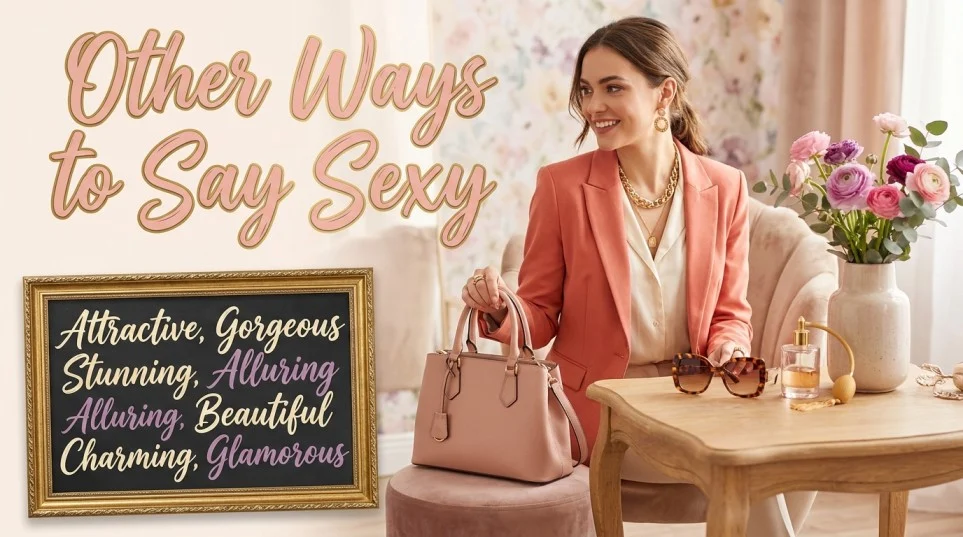
Other ways to say sexy include attractive, gorgeous, alluring, stunning, captivating, and irresistible. Choose a phrase that matches your tone, relationship, and situation.
Knowing other ways to say sexy can make your English sound more expressive, natural, and confident. Although the word is widely used to describe someone’s physical attractiveness, it can sometimes sound too direct, informal, or flirtatious depending on the situation. Choosing the right alternative helps you communicate admiration without making others uncomfortable.
Whether you are complimenting someone’s appearance, describing a fashion style, writing creatively, or having a casual conversation, different expressions can create different impressions. Some alternatives sound elegant and respectful, while others communicate romantic interest or playful attraction. Understanding these differences is especially helpful for English learners and professionals who want to improve their vocabulary. In this guide, you will discover 30 useful alternatives, their meanings, natural examples, and appropriate contexts to help you express attraction with clarity and confidence.
Quick Categories
Formal Alternatives to “Sexy”
- Attractive
- Elegant
- Alluring
- Sophisticated
Pro Tip: Use these expressions when you want to compliment someone’s appearance without sounding overly personal or flirtatious.
Casual Alternatives
- Gorgeous
- Stunning
- Beautiful
- Good-looking
Pro Tip: These phrases work naturally in everyday conversations and friendly compliments.
Professional Alternatives
- Well-presented
- Stylish
- Polished
- Fashionable
Pro Tip: When discussing someone’s appearance at work, focus on their presentation or style rather than their physical attractiveness.
Informal Expressions
- Hot
- Smoking hot
- Fine
- Drop-dead gorgeous
Pro Tip: Informal expressions in English can sound playful or flirtatious, so consider your relationship with the listener before using them.
“A thoughtful compliment is not just about what you say. It is about how your words make someone feel.”
Common Mistakes
1. Using “Sexy” in Every Compliment
Mistake: “You look sexy in your professional outfit.”
Better: “You look elegant in your professional outfit.”
Why: Repeating the same word can make your compliments sound limited or overly personal.
2. Using “Hot” in Professional Communication
Mistake: “You look hot in that presentation.”
Better: “You look very polished and professional.”
Why: “Hot” is generally informal and can create an uncomfortable impression in professional environments.
3. Confusing “Beautiful” With “Sexy”
Mistake: “She is sexy because she has a beautiful personality.”
Better: “She is beautiful inside and out.”
Why: Beautiful can describe appearance, personality, or character, while sexy usually communicates physical or romantic attraction.
4. Using Flirty Expressions With Strangers
Mistake: “You are smoking hot!”
Better: “You have a wonderful sense of style.”
Why: Strongly flirtatious expressions may feel too personal when speaking with someone you do not know well.
5. Using “Attractive” as a Description of Personality Alone
Mistake: “His attractive personality means he is physically handsome.”
Better: “He has an attractive personality.”
Why: Attractive can describe physical appearance, personality, behavior, or qualities depending on context.
What Does “Sexy” Mean?
Sexy is an adjective used to describe someone or something that creates feelings of physical or romantic attraction.
It can also describe clothing, fashion, confidence, or an appealing appearance.
Grammatically, it is commonly used before nouns or after linking verbs such as look, seem, and feel.
Examples:
- She looks sexy in that dress.
- He has a confident and attractive personality.
- The new design has a sexy, modern appeal.
When to Use “Sexy”
The word can be used in different situations depending on the relationship, audience, and intended meaning.
- Compliments: When expressing physical or romantic attraction.
- Fashion: When describing clothing with an appealing or revealing style.
- Entertainment: When discussing attractive celebrities or characters.
- Creative writing: When describing an alluring personality or appearance.
- Casual conversations: When speaking with people who are comfortable with flirtatious language.
Spoken vs. Written: In spoken English, sexy is common in casual and romantic conversations. In writing, it may appear in fashion, entertainment, advertising, and creative descriptions.
Formal vs. Informal: It is generally informal and can sound inappropriate in professional communication.
Is It Professional or Polite to Say “Sexy”?
Polite? ✔️ Yes, depending on the relationship and context.
Professional? ❌ No, in most workplace situations.
Although sexy is not inherently offensive, it can sound overly personal when used to describe colleagues, clients, or employees.
Business-style example:
Instead of saying:
“You look sexy in that outfit.”
Say:
“Your outfit looks elegant and well-coordinated.”
The second sentence communicates appreciation without making the compliment personal.
Pros and Cons of Using “Sexy”
Pros
- Simple and natural: Most English speakers understand the word.
- Expressive: It communicates physical or romantic attraction directly.
- Common usage: It appears frequently in everyday conversations and entertainment.
- Easy to understand: It provides a clear description of appeal or attractiveness.
Cons
- Too informal for work: It may be inappropriate in professional environments.
- Overused: Repeating it can make vocabulary sound limited.
- Limited emotional range: It mainly communicates attraction rather than personality or elegance.
- Not suitable for formal writing: More neutral alternatives may be necessary in academic or professional contexts.
“The right compliment can express admiration without crossing personal boundaries.”
Other Ways to Say Sexy (With Examples)
These alternatives will help you sound more fluent, confident, and natural in different situations.
Use them according to tone, context, and audience to express attraction, admiration, or appreciation.
1. Phrase: Attractive
Meaning: Pleasant or appealing in appearance or personality.
Explanation: This is a versatile alternative that works in both casual and formal conversations.
Example Sentence: “She is an attractive person with a wonderful personality.”
Best Use: Everyday compliments
Worst Use: Playful flirting
Tone: Neutral, respectful, positive
Context Variability: Casual: “He is really attractive.” Professional: “She has an attractive presentation style.” Spoken: “I find him attractive.”
2. Phrase: Gorgeous
Meaning: Extremely beautiful or visually appealing.
Explanation: This expression communicates strong admiration for someone’s appearance.
Example Sentence: “You look absolutely gorgeous in that dress.”
Best Use: Personal compliments
Worst Use: Formal reports
Tone: Warm, expressive, admiring
Context Variability: Casual: “You look gorgeous!” Professional: “The design looks gorgeous.” Spoken: “That outfit is gorgeous.”
3. Phrase: Stunning
Meaning: Extremely impressive or beautiful in appearance.
Explanation: This phrase is useful when someone’s appearance makes a particularly strong impression.
Example Sentence: “She looked stunning at the wedding.”
Best Use: Special occasions
Worst Use: Technical writing
Tone: Admiring, enthusiastic, elegant
Context Variability: Casual: “You look stunning.” Professional: “The model presented a stunning collection.” Spoken: “That dress is stunning.”
4. Phrase: Alluring
Meaning: Attractive in a mysterious or fascinating way.
Explanation: This word describes someone or something that naturally draws attention and interest.
Example Sentence: “Her alluring personality made everyone curious about her.”
Best Use: Creative writing
Worst Use: Workplace feedback
Tone: Sophisticated, romantic, expressive
Context Variability: Casual: “She has an alluring smile.” Professional: “The campaign uses an alluring visual style.” Spoken: “There is something alluring about her.”
5. Phrase: Beautiful
Meaning: Pleasing to look at or possessing attractive qualities.
Explanation: This is a respectful and widely accepted compliment that can describe appearance and personality.
Example Sentence: “You look beautiful in that outfit.”
Best Use: Friendly compliments
Worst Use: Technical descriptions
Tone: Warm, positive, respectful
Context Variability: Casual: “You look beautiful.” Professional: “The presentation has a beautiful design.” Spoken: “That is a beautiful outfit.”
6. Phrase: Good-Looking
Meaning: Having an attractive physical appearance.
Explanation: This straightforward phrase is commonly used to describe someone’s appearance.
Example Sentence: “He is a good-looking young man.”
Best Use: Casual descriptions
Worst Use: Formal evaluations
Tone: Neutral, conversational, simple
Context Variability: Casual: “He is really good-looking.” Professional: “The actor has a good-looking appearance.” Spoken: “She is very good-looking.”
7. Phrase: Hot
Meaning: Physically attractive in a noticeable or appealing way.
Explanation: This is a common informal alternative that can communicate romantic or physical attraction.
Example Sentence: “He looks hot in that jacket.”
Best Use: Casual flirting
Worst Use: Professional settings
Tone: Flirtatious, informal, direct
Context Variability: Casual: “You look hot!” Professional: “The outfit is stylish.” Spoken: “That actor is really hot.”
8. Phrase: Irresistible
Meaning: Extremely attractive or difficult to resist.
Explanation: This word communicates strong attraction and can also describe appealing qualities beyond appearance.
Example Sentence: “Her charming smile was simply irresistible.”
Best Use: Romantic writing
Worst Use: Formal business writing
Tone: Romantic, expressive, enthusiastic
Context Variability: Casual: “That smile is irresistible.” Professional: “The product has irresistible visual appeal.” Spoken: “You are absolutely irresistible.”
9. Phrase: Charming
Meaning: Pleasant and attractive because of personality or behavior.
Explanation: This is a respectful alternative that focuses more on someone’s personality than physical appearance.
Example Sentence: “He has a charming smile and a wonderful sense of humor.”
Best Use: Personality compliments
Worst Use: Strong attraction
Tone: Friendly, warm, sophisticated
Context Variability: Casual: “You are so charming.” Professional: “He has a charming communication style.” Spoken: “She is genuinely charming.”
10. Phrase: Captivating
Meaning: So attractive or interesting that it holds someone’s attention.
Explanation: This phrase describes a person’s appearance, personality, or presence.
Example Sentence: “She has a captivating presence that makes people notice her.”
Best Use: Descriptive writing
Worst Use: Routine workplace messages
Tone: Elegant, expressive, admiring
Context Variability: Casual: “Her eyes are captivating.” Professional: “The speaker delivered a captivating presentation.” Spoken: “You have a captivating personality.”
11. Phrase: Ravishing
Meaning: Extremely beautiful or attractive.
Explanation: This expressive word is often used for elegant or glamorous appearances.
Example Sentence: “She looked ravishing in her evening gown.”
Best Use: Romantic compliments
Worst Use: Everyday business
Tone: Glamorous, expressive, romantic
Context Variability: Casual: “You look ravishing.” Professional: “The collection features ravishing designs.” Spoken: “She looked absolutely ravishing.”
12. Phrase: Enchanting
Meaning: Extremely attractive or delightful in a magical way.
Explanation: This word is especially useful for describing a person’s smile, appearance, or personality.
Example Sentence: “Her enchanting smile brightened the entire room.”
Best Use: Creative descriptions
Worst Use: Technical writing
Tone: Romantic, gentle, poetic
Context Variability: Casual: “You have an enchanting smile.” Professional: “The venue has an enchanting atmosphere.” Spoken: “She has an enchanting personality.”
13. Phrase: Seductive
Meaning: Attracting someone through physical appeal, charm, or romantic suggestion.
Explanation: This is a stronger and more suggestive alternative that should be used carefully.
Example Sentence: “The perfume advertisement featured a seductive visual style.”
Best Use: Creative writing
Worst Use: Professional compliments
Tone: Suggestive, dramatic, sensual
Context Variability: Casual: “The look was seductive.” Professional: “The campaign uses a seductive aesthetic.” Spoken: “She has a seductive voice.”
14. Phrase: Glamorous
Meaning: Attractive because of elegance, luxury, or stylish appearance.
Explanation: This word focuses on sophistication and visual appeal rather than direct physical attraction.
Example Sentence: “She looked glamorous at the award ceremony.”
Best Use: Fashion descriptions
Worst Use: Ordinary instructions
Tone: Elegant, stylish, sophisticated
Context Variability: Casual: “You look glamorous.” Professional: “The event featured a glamorous setting.” Spoken: “That outfit looks glamorous.”
15. Phrase: Elegant
Meaning: Attractive in a graceful, refined, and tasteful way.
Explanation: This is a polite alternative when you want to compliment someone’s appearance without sounding flirtatious.
Example Sentence: “You look elegant in that black dress.”
Best Use: Respectful compliments
Worst Use: Direct flirting
Tone: Refined, respectful, graceful
Context Variability: Casual: “You look so elegant.” Professional: “The design is elegant and refined.” Spoken: “She has an elegant style.”
16. Phrase: Sophisticated
Meaning: Stylish, polished, and attractive in a mature or refined way.
Explanation: This phrase describes an appealing appearance or presentation with a sense of class.
Example Sentence: “Her sophisticated outfit made a strong impression.”
Best Use: Fashion discussions
Worst Use: Casual teasing
Tone: Refined, mature, polished
Context Variability: Casual: “You look sophisticated.” Professional: “The brand has a sophisticated visual identity.” Spoken: “That style is sophisticated.”
17. Phrase: Seductive-Looking
Meaning: Having an appearance that suggests romantic or physical attraction.
Explanation: This expression is more direct than attractive and is mainly suitable for creative or personal descriptions.
Example Sentence: “The character had a seductive-looking smile.”
Best Use: Fictional descriptions
Worst Use: Workplace conversations
Tone: Suggestive, dramatic, romantic
Context Variability: Casual: “That look is seductive.” Professional: “The visual style is suggestive.” Spoken: “He has a seductive-looking smile.”
18. Phrase: Striking
Meaning: Very noticeable or impressive because of appearance.
Explanation: This word describes someone whose features or style immediately attract attention.
Example Sentence: “She has striking features and a confident personality.”
Best Use: Appearance descriptions
Worst Use: Casual flirting
Tone: Impressive, confident, neutral
Context Variability: Casual: “You have striking eyes.” Professional: “The design has a striking appearance.” Spoken: “She looks striking.”
19. Phrase: Eye-Catching
Meaning: Attractive or noticeable enough to draw attention.
Explanation: This expression is especially useful for describing clothing, accessories, or visual designs.
Example Sentence: “Her eye-catching outfit received several compliments.”
Best Use: Fashion descriptions
Worst Use: Romantic conversations
Tone: Positive, casual, descriptive
Context Variability: Casual: “That outfit is eye-catching.” Professional: “The campaign uses eye-catching visuals.” Spoken: “Your dress is really eye-catching.”
20. Phrase: Appealing
Meaning: Attractive or pleasant in appearance, character, or style.
Explanation: This is a neutral alternative that works in many different situations.
Example Sentence: “Her confident personality makes her especially appealing.”
Best Use: General descriptions
Worst Use: Strong romantic compliments
Tone: Neutral, polite, versatile
Context Variability: Casual: “He is quite appealing.” Professional: “The design is visually appealing.” Spoken: “I find that style appealing.”
21. Phrase: Sensual
Meaning: Relating to physical pleasure, the senses, or romantic attraction.
Explanation: This word is more subtle than sexy and is often used to describe movement, style, music, or atmosphere.
Example Sentence: “The dance performance had a graceful and sensual quality.”
Best Use: Artistic descriptions
Worst Use: Formal workplace feedback
Tone: Romantic, expressive, intimate
Context Variability: Casual: “The music feels sensual.” Professional: “The collection has a sensual design aesthetic.” Spoken: “Her dancing was graceful and sensual.”
22. Phrase: Attractive-Looking
Meaning: Having a pleasing physical appearance.
Explanation: This phrase is a simple descriptive alternative, although “attractive” alone sounds more natural in most situations.
Example Sentence: “He is an attractive-looking person with a friendly smile.”
Best Use: General descriptions
Worst Use: Elegant compliments
Tone: Neutral, descriptive, simple
Context Variability: Casual: “She is attractive-looking.” Professional: “The product has an attractive appearance.” Spoken: “He looks attractive.”
23. Phrase: Fine
Meaning: Attractive or good-looking, especially in informal English.
Explanation: This expression is commonly used in casual conversations to describe someone’s appearance.
Example Sentence: “He is looking fine in that suit.”
Best Use: Casual conversations
Worst Use: Formal writing
Tone: Informal, playful, admiring
Context Variability: Casual: “She looks fine!” Professional: “She looks well-presented.” Spoken: “You are looking fine today.”
24. Phrase: Smoking Hot
Meaning: Extremely physically attractive.
Explanation: This is a strong informal expression that communicates enthusiastic attraction.
Example Sentence: “She looked smoking hot at the party.”
Best Use: Friendly flirting
Worst Use: Professional settings
Tone: Bold, informal, flirtatious
Context Variability: Casual: “You look smoking hot.” Professional: “You look stylish.” Spoken: “That outfit is smoking hot.”
25. Phrase: Drop-Dead Gorgeous
Meaning: Exceptionally beautiful or attractive.
Explanation: This idiomatic expression is used to give someone a very enthusiastic compliment.
Example Sentence: “You look drop-dead gorgeous in that evening dress.”
Best Use: Casual compliments
Worst Use: Formal documents
Tone: Dramatic, enthusiastic, informal
Context Variability: Casual: “She is drop-dead gorgeous.” Professional: “She looks exceptionally elegant.” Spoken: “You look drop-dead gorgeous.”
26. Phrase: Pulchritudinous
Meaning: Having great physical beauty.
Explanation: This uncommon literary word is a formal synonym for beautiful, although it is rarely used in everyday conversations.
Example Sentence: “The poet described the landscape as pulchritudinous.”
Best Use: Literary writing
Worst Use: Everyday conversation
Tone: Literary, formal, unusual
Context Variability: Casual: “She is beautiful.” Professional: “The description emphasizes physical beauty.” Spoken: “Pulchritudinous is an uncommon word for beautiful.”
27. Phrase: Magnetic
Meaning: Having an attractive personality or presence that draws people in.
Explanation: This word focuses on someone’s natural appeal rather than physical appearance alone.
Example Sentence: “Her magnetic personality made her the center of attention.”
Best Use: Personality compliments
Worst Use: Physical descriptions only
Tone: Confident, positive, expressive
Context Variability: Casual: “He has a magnetic personality.” Professional: “She has a magnetic leadership presence.” Spoken: “You have a magnetic personality.”
28. Phrase: Tempting
Meaning: Attractive or appealing in a way that creates a desire.
Explanation: This word can describe people, experiences, offers, or objects, depending on context.
Example Sentence: “The offer was tempting, but I decided to wait.”
Best Use: Describing appeal
Worst Use: Professional appearance compliments
Tone: Suggestive, appealing, informal
Context Variability: Casual: “That look is tempting.” Professional: “The proposal presents a tempting opportunity.” Spoken: “That is a tempting offer.”
29. Phrase: Well-Dressed
Meaning: Wearing clothes that are stylish, appropriate, and attractive.
Explanation: This is a respectful alternative when complimenting someone’s appearance through their clothing.
Example Sentence: “You always look well-dressed and confident.”
Best Use: Professional compliments
Worst Use: Romantic attraction
Tone: Respectful, polished, professional
Context Variability: Casual: “You look well-dressed.” Professional: “The team appeared well-dressed for the event.” Spoken: “You are always so well-dressed.”
30. Phrase: Stylish
Meaning: Having an attractive and fashionable appearance.
Explanation: This is a versatile compliment that focuses on someone’s fashion choices rather than physical attractiveness.
Example Sentence: “You look stylish in that modern outfit.”
Best Use: Fashion compliments
Worst Use: Direct romantic expression
Tone: Positive, modern, respectful
Context Variability: Casual: “You look stylish.” Professional: “The collection is stylish and contemporary.” Spoken: “That outfit is really stylish.”
“A single word can change the meaning of a compliment. Choose one that reflects your intention.”
Mini Quiz / Self-Check
Test your understanding of these expressions with four quick questions.
1. Which alternative sounds most appropriate in a professional setting?
A. Smoking hot B. Drop-dead gorgeous C. Well-presented D. The hottest
Correct Answer: C. Well-presented
2. Which phrase describes someone who naturally attracts attention through their personality?
A. Magnetic B. Watery C. Ordinary D. Formal
Correct Answer: A. Magnetic
3. Which expression is most suitable for a romantic or enthusiastic compliment?
A. Well-dressed B. Drop-dead gorgeous C. Professional D. Sophisticated report
Correct Answer: B. Drop-dead gorgeous
4. Which word describes someone attractive in a graceful and refined way?
A. Hot B. Tempting C. Elegant D. Smoking hot
Correct Answer: C. Elegant
Comparison Table: Top Alternatives
| Phrase | Tone | Best Use |
|---|---|---|
| Attractive | Neutral, respectful | Everyday compliments |
| Gorgeous | Warm, expressive | Personal compliments |
| Stunning | Admiring, elegant | Special occasions |
| Alluring | Sophisticated, romantic | Creative writing |
| Beautiful | Friendly, positive | General compliments |
| Charming | Warm, friendly | Personality descriptions |
| Captivating | Expressive, elegant | Descriptive writing |
| Elegant | Refined, respectful | Formal compliments |
| Hot | Flirtatious, informal | Casual conversations |
| Irresistible | Romantic, expressive | Romantic descriptions |
FAQs
1. What are the best other ways to say sexy?
Some popular alternatives include attractive, gorgeous, stunning, alluring, beautiful, captivating, and irresistible. The best phrase depends on the situation and intended tone.
2. What is a classy way to say sexy?
Words such as elegant, sophisticated, alluring, glamorous, and captivating can communicate attraction in a more refined way.
3. What is a professional way to say someone is sexy?
In professional communication, use respectful descriptions such as well-presented, stylish, polished, or elegant rather than commenting directly on someone’s physical attractiveness.
4. What is a flirty way to say sexy?
Expressions such as irresistible, gorgeous, stunning, and magnetic can sound flirtatious when used appropriately. Their effect depends on your relationship and delivery.
5. What is the difference between sexy, attractive, and beautiful?
Sexy usually suggests physical or romantic attraction. Attractive is broader and can describe appearance or personality, while beautiful often communicates visual appeal, grace, or inner qualities.
Conclusion
Learning other ways to say sexy gives you more flexibility when expressing attraction, admiration, and appreciation. From simple words like attractive and beautiful to expressive phrases like alluring and irresistible, each alternative creates a different impression. Understanding these differences helps you communicate more naturally.
Practice using these expressions in everyday conversations, writing, and social situations. Pay attention to your audience, relationship, and tone before choosing a compliment. The right vocabulary can make your English sound more confident, respectful, and engaging without making your message feel exaggerated.
Which alternative do you like most? Share your favorite phrase in the comments and tell us how you would use it in a sentence.
Discover More Post:
- 30+ Other Ways to Say Good to Hear | Natural, Professional …
- Other Ways to Say Have Fun | 30+ Fresh Phrases for Every …
- Other Ways to Say Especially | 30+ Fresh Alternatives for …

Emma Richardson is a professional content writer at Replynst.com. She creates clear, engaging and well-researched content designed to answer readers’ questions while following modern SEO best practices. Her focus is on helpful, reader-friendly articles that deliver genuine value.